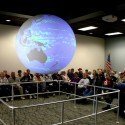
ADDOMEx Researcher Helps Introduce Teachers to Engineering
James Chui presented the consortium’s research to nearly seventy teachers participating in a program called Team-E Science, which will help them better understand engineering concepts. The program is part of a three-year endeavor to implement engineering curriculum in Merced and Mariposa county schools.
C-IMAGE Photo Album Chronicles 2015 Mud & Blood Expedition
The fifth annual sampling event is part of the consortium’s efforts to study
Deepwater Horizon’s impacts on northern Gulf sediments and fish. You can also head to the
C-IMAGE Blog to read researchers’ reflections and accounts of the excursion.
CONCORDE Features Ph.D. Student Stephen O’Brien
The Trinidadian graduate student combines remote sensing and
in situ measurements to investigate sediment movement in the northern Gulf, particularly in freshwater-saltwater exchange areas. He hopes to apply his findings about sediment transport to his homeland’s ongoing struggle with coastal erosion.
CWC to Host “Discovering Oceanography” Family Workshop
On November 14
th, teens and their guardians will learn about the different aspects of oceanography through hands-on activities such as dissection and remotely operated vehicle construction. Register today!
Professional Development Workshop Features CARTHE and RECOVER Research
Earlier this month, South Florida teachers attended the CARTHE-hosted science visualization workshop at the University of Miami, intended to help create improved future resources for sharing science.
DEEPEND Slideshow Depicts Life Aboard a Research Vessel
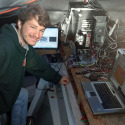
The kid-friendly slideshow uses photos and helpful captions to explain the researchers’ routines aboard ship and how they operate various equipment to collect and analyze samples.
ECOGIG Scientist Calls for More Natural Baseline Data Collection
Samantha Joye’s recent
Science Magazine article emphasizes the important role baseline data and consistent long-term observation play in understanding the impacts of environmental disasters and stresses the value of collaboration between academia, industry, and government.